Skin • Health • Aesthetic Medicine
Your Guide to Dermatology & Medical Aesthetics
Clear answers to common questions about skin health, acne, pigmentation, anti-aging, injectables, PRP and advanced aesthetic treatments — from a doctor-led dermatology and aesthetics clinic in Nairobi.

Doctor-led careEvery plan begins with an individual assessment.
Explore by topic
Fourteen chapters, written to help you understand your skin and your options before you book.
Which treatment is right for me?
Not sure where to start?
Most people arrive with a concern rather than a treatment in mind — and that is exactly the right place to begin. Choose what matters most to you to see the relevant answers and treatment options. Your consultation will confirm what suits your skin.
-
Acne
Explore treatment options for active acne and acne scarring.
-
Pigmentation
Understand treatment options for melasma, dark spots and uneven tone.
-
Aging
Explore options for fine lines, wrinkles, volume loss and skin laxity.
-
Dull / Textured Skin
Explore HydraFacial, microneedling and skin rejuvenation options.
-
Hair Loss
Explore PRP and hair restoration consultation options.
-
Eye Area
Explore options for eye bags, dark circles and periorbital rejuvenation.
01Skin health
General Dermatology Questions
Dermatology is the branch of medicine that looks after the skin, hair and nails — from everyday concerns like acne and eczema to conditions that need careful diagnosis, such as persistent rashes, infections or a changing mole. Aesthetic medicine sits alongside it, but good aesthetic results always begin with healthy, correctly assessed skin.
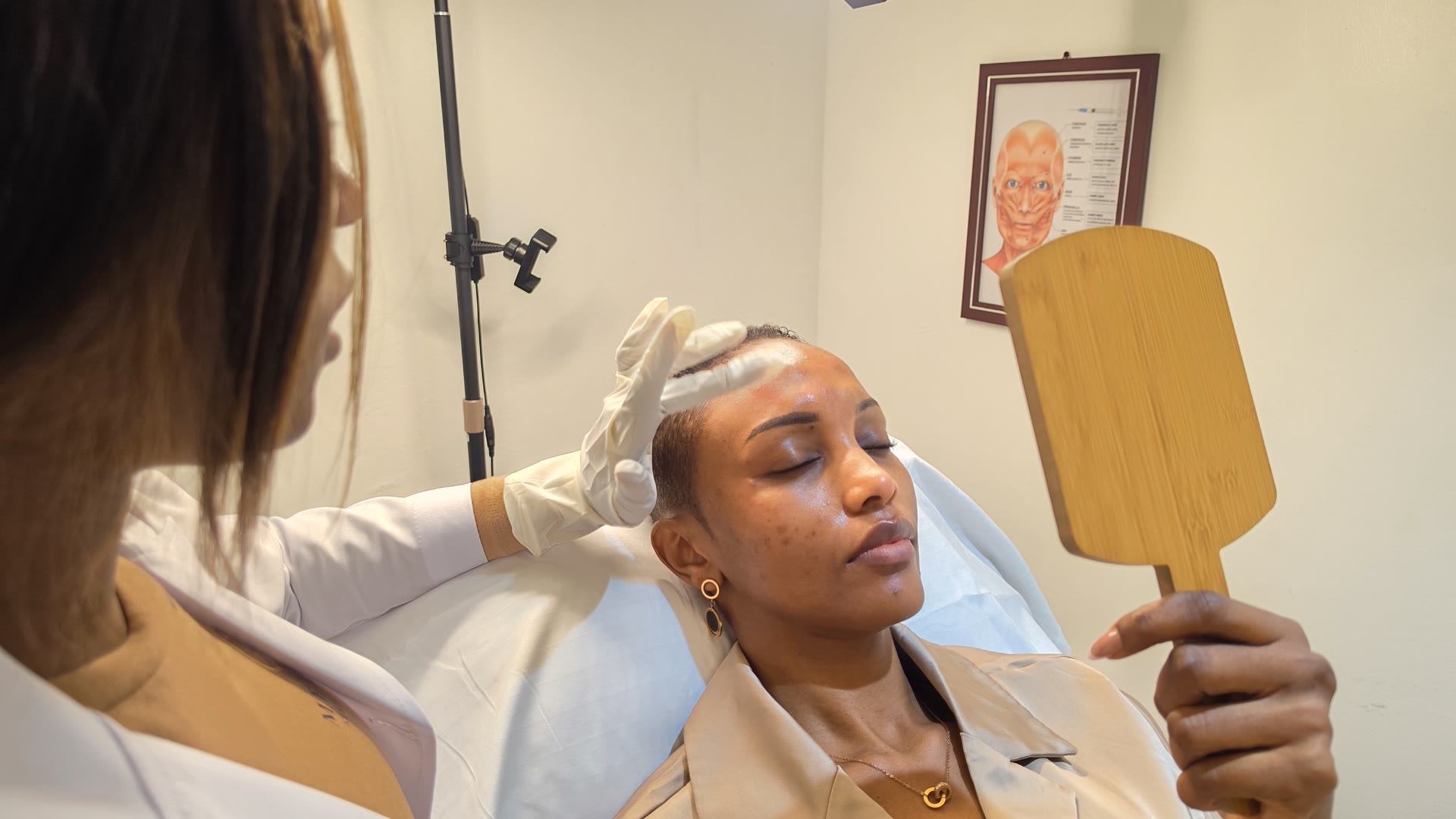
Conditions we assess and treat
Dermatology covers more than 3,000 conditions affecting the skin, hair and nails. The most common reasons people book a consultation include:
- Acne, acne scarring and post-acne marks
- Pigmentation concerns such as melasma and dark spots
- Inflammatory conditions — eczema, psoriasis, rosacea and hives
- Infections — fungal, bacterial and viral (including warts)
- Hair and scalp concerns, including thinning and hair loss
- Skin growths — skin tags, moles, DPN and keloids
Many people also see a dermatology team for skin ageing and rejuvenation, where medical knowledge helps keep treatments safe.
It is worth booking an assessment when a skin, hair or nail concern is persistent, worsening, painful, or affecting your confidence. Typical signs include acne that has not responded to over-the-counter products after two to three months, acne that is leaving marks or scars, a rash that keeps returning, patches of pigmentation that are spreading, sudden or patchy hair loss, or a mole that has changed.
Seek prompt medical attention for a mole or spot that bleeds, changes quickly, or looks different from your other moles — see when a skin growth should be assessed.
Dermatology focuses on the health of the skin — diagnosing and treating conditions such as acne, eczema, infections and pigmentation disorders. Aesthetic medicine focuses on appearance — softening lines, restoring volume, refining texture and improving radiance with treatments such as Botox, dermal fillers and microneedling.
The two overlap more than people expect. Active acne, melasma or a skin infection can change which aesthetic treatment is safe, so at Melton both are approached through the same medical lens.
Yes — acne is one of the most common conditions treated in dermatology. Treatment is matched to the type and severity of acne and may combine prescription skincare, oral medication where appropriate, in-clinic procedures such as chemical peels, and a plan to prevent scarring and dark marks. See the full Acne & Acne Scarring section below, or read about acne treatment at Melton.
Yes. Pigmentation is best treated once its cause is understood — melasma, post-acne marks, sun damage and irritation from unsuitable products all behave differently. A clinician will typically combine daily sun protection, targeted topical treatment and, where suitable, procedures such as peels. See Pigmentation, Dark Spots & Melasma below.
Often, yes. Hair loss has many causes — genetics, hormonal changes, stress or illness, nutritional factors, tight hairstyles (traction alopecia) and some scarring conditions of the scalp. Because the right treatment depends on the cause, assessment comes first. Early review matters most for scarring types of hair loss, where timely treatment can help protect the hair that remains. Read more under Hair Loss & Scalp Concerns.
Your clinician will ask about your concern, how long you have had it, what you have already tried, your medical history and any medicines or skincare you use. Your skin, hair or nails will then be examined. You will leave with an explanation of what is likely going on, your options, realistic expectations, and a plan — which may include skincare, prescription treatment, an in-clinic procedure, or simply monitoring. If further tests are needed, these will be explained.
For most medical and injectable treatments, yes. A consultation confirms the diagnosis, checks that a treatment is suitable for your skin type and health, and identifies anything that would make it unsafe — for example pregnancy, certain medications or an active infection. Some maintenance treatments, such as a repeat HydraFacial, may not need a full consultation every time. See Your Consultation & Treatment Journey.
Yes — but they need to be chosen and delivered with darker skin in mind. Melanin-rich skin is more prone to post-inflammatory hyperpigmentation (dark marks after irritation or injury) and to keloid scarring, so energy settings, peel strengths and aftercare matter. Many treatments, including carefully selected peels, microneedling and injectables, are used safely in skin of colour when the provider understands these differences. Choosing an experienced, medically led clinic is one of the most important safety decisions you can make.
The right treatment depends on your diagnosis, skin type, medical history, goals, budget and how much downtime you can manage. Two people with "dark spots" may need completely different plans. A consultation is the most reliable way to decide — but if you would like to start exploring, the Not sure where to start? guide groups options by concern.
Know the signs
When to see a dermatologist
Many skin concerns can be managed at home — but some deserve a professional opinion sooner rather than later. Book an assessment if you notice any of the following.
Acne that is not improving
after two to three months of over-the-counter care, or that is leaving marks or scars.
A changing mole or growth
one that is new, growing, bleeding, itching or looks different from the rest.
Spreading pigmentation
patches that are darkening, spreading or returning despite care.
Persistent rashes or itching
eczema, psoriasis, hives or a rash that keeps coming back.
Hair loss or a sore scalp
sudden shedding, patches, a receding hairline, or scalp pain and scaling.
Before any injectable or resurfacing treatment
so your skin, health and goals are assessed first.
01Dermatology
Common Skin Growths & Lesions
Most skin growths are harmless, but a few need medical assessment — and even harmless ones should be removed by a trained clinician to reduce the risk of infection, bleeding, scarring or pigment change. Please do not try to cut, burn or "tie off" a growth at home.
Yes. Skin tags are small, soft, benign growths that often appear on the neck, underarms and eyelids. They are removed in clinic using simple techniques such as snipping, cautery or freezing, usually under local anaesthetic where needed. The area typically heals within one to two weeks. See skin tag, mole and wart removal.
Yes. Warts are caused by the human papillomavirus (HPV). Many clear on their own, but persistent, painful or spreading warts can be treated with prescription topical treatments, cryotherapy (freezing) or other in-clinic methods. More than one session is often needed, and warts can recur.
Yes. Any mole that worries you should be examined first. If a mole looks benign, removal is an option for comfort or cosmetic reasons. If a mole looks unusual, the priority is diagnosis — it may be removed and sent to a laboratory for examination. Moles should never be removed at home or with "mole removal" creams, which can cause scarring and delay the diagnosis of skin cancer.
DPN is a very common, harmless condition in people with darker skin, appearing as small dark-brown or black raised spots — usually on the cheeks, around the eyes, on the forehead and neck. The spots tend to run in families and increase gradually with age. They are not contagious and not cancerous; treatment is optional and cosmetic.
Yes, when treated gently by an experienced clinician. Common methods include light electrocautery (hyfrecation), fine curettage or snip removal. Because melanin-rich skin can develop light or dark marks after any procedure, settings are kept conservative, a test area may be suggested, and sun protection afterwards is important. New spots may develop over time, so occasional maintenance is common.
Book an assessment promptly if a mole or growth:
- is new in adulthood, or changing in size, shape or colour
- has an irregular border or more than one colour
- bleeds, itches, crusts or does not heal
- looks different from your other moles
- appears on the palms, soles or under a nail (an area where melanoma in darker skin is more often found)
Most changes turn out to be harmless, but early assessment is always the safer choice.
02Acne
Acne & Acne Scarring
Acne affects teenagers and adults alike — and in adult women especially, it often follows a hormonal pattern along the jaw and chin. Treating it early does two things: it calms active breakouts, and it lowers the risk of scars and the dark marks that so often outlast the spots themselves in deeper skin tones.
At a glance
- Typical time to improvement
- 8–12 weeks
- Main goals
- Clear, prevent, repair
- Often combined with
- Peels, microneedling, PRP
- Starting point
- Medical assessment
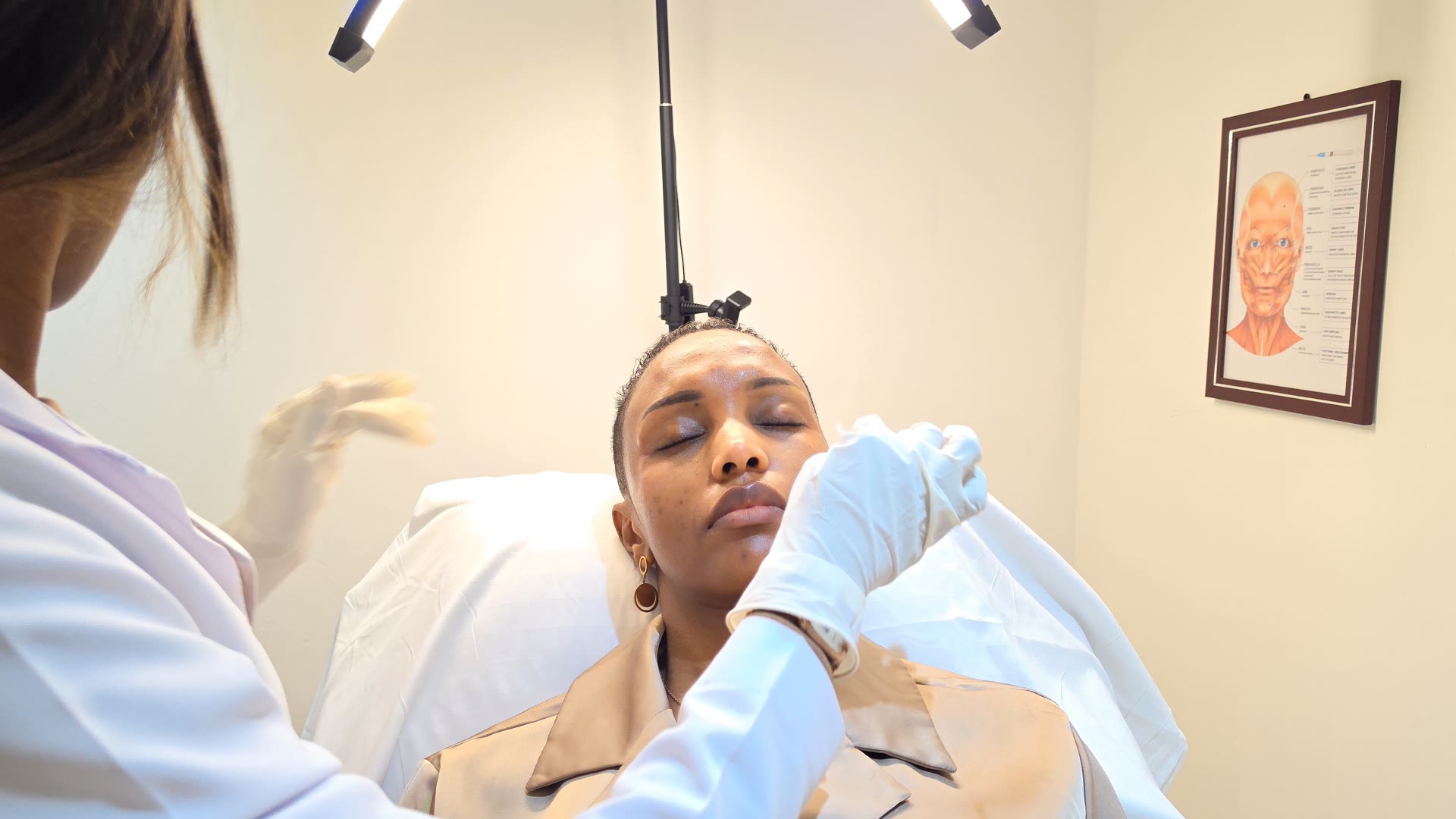
Acne develops when hair follicles become blocked with oil (sebum) and dead skin cells. Acne-associated bacteria and inflammation then turn those blockages into red spots, pustules or deeper, painful nodules. Common contributors include:
- Hormones — puberty, the menstrual cycle, polycystic ovary syndrome (PCOS)
- Genetics — acne often runs in families
- Heavy or pore-clogging products, including some hair oils and pomades
- Certain medicines, and sometimes stress or friction from phones, masks and helmets
Diet may play a role for some people, but acne is not caused by poor hygiene.
Consider booking an assessment if your acne:
- has not improved after two to three months of consistent over-the-counter treatment
- includes deep, painful lumps or cysts
- is leaving dark marks or scars
- started suddenly in adulthood, or comes with irregular periods or excess hair growth
- is affecting your confidence or wellbeing
Earlier treatment is the most effective way to prevent permanent scarring.
There is no single best treatment — the right plan depends on the type of acne, its severity, your skin tone and your medical history. Plans often combine:
- Topical treatments such as retinoids, benzoyl peroxide or azelaic acid
- Oral treatment where appropriate — for example a course of antibiotics, hormonal therapy for some women, or isotretinoin for severe or scarring acne under medical supervision
- In-clinic support such as chemical peels or medical facials to clear congestion
Acne can usually be brought well under control, and many people reach a point where they have few or no breakouts. However, acne is a condition that can come and go — particularly with hormonal changes — so it is more accurate to talk about control than a permanent cure. Some treatments, such as isotretinoin, can lead to long-term remission for many people. A maintenance routine helps keep skin clear once it has settled.
Most acne treatments take 8 to 12 weeks to show clear improvement, because skin needs time to renew and inflammation needs time to settle. It is common to see gradual change rather than overnight results, and some treatments cause mild dryness or a brief flare at first. Your clinician will usually review progress after a couple of months and adjust the plan if needed.
Yes. Inflammatory acne — especially deep nodules and cysts — can damage the collagen beneath the skin and leave permanent textural scars, such as ice-pick, boxcar or rolling scars. Raised scars and keloids are also more likely in some people, including those with darker skin. Picking or squeezing spots increases the risk. Flat dark marks left after spots are different: they are pigment, not true scars, and usually fade with the right care.
Yes — most acne scars can be noticeably improved, although complete removal is rarely realistic. The aim is smoother texture and less visible scarring. Treatment usually begins once active acne is under control, so that new breakouts do not create new scars. Several sessions, often of more than one technique, are normally needed. See acne scar treatment at Melton.
It depends on the scar type. Rolling and shallow boxcar scars often respond well to collagen-stimulating treatments such as microneedling, sometimes combined with PRP; deeper or tethered scars may need additional techniques. Many people get the best result from a combination plan over several months. Your skin tone also matters, because some resurfacing methods carry a higher risk of pigment change in darker skin.
Yes — microneedling is one of the most widely used treatments for atrophic (depressed) acne scars. Controlled micro-injuries prompt the skin to produce new collagen, gradually softening rolling and boxcar scars. A course of around three to six sessions, spaced four to six weeks apart, is typical, and improvement continues for months afterwards. It is generally well suited to darker skin. See microneedling at Melton or read Acne Scars? Microneedling Could Be Your Solution.
PRP (platelet-rich plasma) is most often used alongside microneedling for acne scars, rather than on its own. Combining the two may support healing and give a modestly better result than microneedling alone for some people, although evidence is still developing. It can be a good option for those who prefer a treatment made from their own blood. See PRP for skin.
Yes. Peels containing salicylic acid are especially useful for acne because they work inside the pore to clear oil and congestion, while other peels help fade marks and smooth texture. A series of superficial peels is usually recommended alongside a home routine. In darker skin, peel choice and strength are chosen carefully to avoid irritation and new pigmentation. See chemical peels.
Inflammation from a spot can trigger melanin-producing cells to make extra pigment, leaving a flat dark mark known as post-inflammatory hyperpigmentation (PIH). Because melanin-rich skin has more active pigment cells, these marks are more common, darker and longer-lasting in brown and Black skin — sometimes lasting many months. Sun exposure, picking and harsh products make them worse. The good news is that PIH usually fades with treatment and protection.
The most effective plans treat both at once. Calming the acne prevents new marks from forming, while ingredients such as retinoids, azelaic acid and carefully chosen peels can address breakouts and fade existing pigmentation together. Daily broad-spectrum sunscreen is essential, as is avoiding harsh scrubs or unregulated "lightening" creams that can irritate skin and make pigmentation worse.
03Even tone
Pigmentation, Dark Spots & Melasma
Uneven skin tone is one of the most common reasons people visit a skin clinic in Nairobi — and one of the most commonly mistreated. Melasma, post-acne marks, sun-related spots and darkening around the mouth all look similar but behave very differently. The treatment that clears one can worsen another, which is why diagnosis comes before treatment.
At a glance
- First step
- Identify the cause
- Daily essential
- Sun protection
- Typical course
- 3–6+ months
- Realistic goal
- Lighter, more even, managed
Facial pigmentation happens when the skin produces extra melanin in certain areas. Common triggers include:
- Sun and visible light exposure — Nairobi's high altitude means strong UV year-round
- Inflammation — acne, eczema, waxing, harsh products or friction
- Hormones — pregnancy, hormonal contraception (a trigger for melasma)
- Certain medicines and cosmetics, including unregulated skin-lightening creams
- Genetics — some people are simply more prone
Darkening around the mouth (perioral pigmentation) can have several of these causes, so it is worth having assessed.
Hyperpigmentation is a general term for patches of skin that are darker than the surrounding skin. It is not a single condition but a description, covering post-inflammatory hyperpigmentation (marks after acne or injury), sun spots, melasma, and pigmentation related to medication or medical conditions. Identifying which type you have is the most important step in choosing treatment.
Melasma is a chronic pigmentation condition that causes brown or grey-brown patches, usually on the cheeks, forehead, upper lip, nose and jawline, often in a symmetrical pattern. It is much more common in women and in people with medium to darker skin tones. Sun and visible light, hormones and genetics all play a part. Because it is chronic, melasma tends to come and go rather than disappear permanently. Read Understanding Melasma.
Yes — melasma can usually be significantly lightened and kept under control. Treatment is typically layered: strict daily sun protection (ideally a tinted sunscreen that also helps block visible light), prescription or medical-grade topical treatments, and, where suitable, in-clinic procedures such as gentle peels. Some people may also be offered oral treatment after assessment. Long-term maintenance is part of the plan. See melasma treatment at Melton.
It depends on the type. Post-inflammatory marks from acne or injury often fade completely with time and treatment. Melasma, however, is a chronic condition: it can be lightened considerably, but it may return with sun exposure, heat or hormonal change. A responsible clinic will set realistic expectations rather than promise permanent removal — and will help you build a routine that protects your results.
The best treatment is the one matched to the cause and to your skin. Commonly used options include:
- Daily broad-spectrum sun protection — the foundation of every plan
- Topical treatments such as azelaic acid, retinoids, vitamin C, niacinamide, tranexamic acid or, under supervision, hydroquinone
- Chemical peels in a series
- Microneedling for selected cases
Aggressive treatments can backfire in darker skin by causing new pigmentation, so "gentle and consistent" usually wins.
Many pigmentation treatments are suitable for darker skin when they are chosen carefully. Superficial and carefully selected medium peels, microneedling, and well-tolerated topical agents such as azelaic acid are commonly used. Some lasers and stronger peels carry a higher risk of new pigmentation or lighter patches, so they require specific expertise or may be avoided. A test area and conservative starting settings are often sensible.
Yes. A course of superficial peels can help fade dark spots, post-acne marks and some melasma by gently removing pigmented surface cells and encouraging even renewal. Results build over several sessions and are best supported with a home routine and sunscreen. In melanin-rich skin, peel strength is increased gradually to avoid irritation, which itself can trigger pigmentation. See Chemical Peels.
Microneedling can help some types of pigmentation — particularly post-acne marks combined with textural scarring, and selected cases of melasma when used gently, sometimes alongside topical treatments. It is not usually the first treatment for pigmentation alone. Because excess inflammation can trigger new dark marks, needle depth and aftercare are adjusted for darker skin.
Yes. Flat dark marks left by acne (PIH) usually respond well to a combination of controlling active acne, daily sunscreen, topical brightening treatments and, where helpful, chemical peels. Most marks fade over three to six months with consistent care. If marks are raised or depressed, they may be true scars and need a different approach — see acne scars.
Pigment cells have a "memory": once triggered, they can react again to sun, heat, hormones, inflammation or friction. This is especially true for melasma. Stopping sunscreen or maintenance treatment, a new hormonal trigger, or irritation from products can all bring pigmentation back. A long-term maintenance plan is the best way to protect your results.
Most people notice gradual improvement within 8 to 12 weeks, with more significant change over three to six months. Melasma often needs longer and ongoing maintenance. Because pigment sits at different depths, deeper pigmentation tends to respond more slowly. Consistency — with sunscreen, home care and planned sessions — matters more than intensity.
04Skin longevity
Anti-Aging & Skin Rejuvenation
Skin ages in layers: the surface becomes duller and less smooth, collagen and elastin gradually decline, facial fat pads shift and lose volume, and expression lines deepen. Good non-surgical rejuvenation addresses the right layer with the right treatment — and the best results tend to be the ones nobody can quite put a finger on.
There is no correct age. Prevention — daily sunscreen, a retinoid where suitable, and a healthy lifestyle — can begin in your twenties. Many people consider in-clinic treatments in their late twenties to forties, when they first notice lines that remain at rest, dullness or early volume loss. The better question is what is bothering you, and whether treating it now makes sense. A good clinician will also tell you when a treatment is not yet needed.
Wrinkles form through a combination of factors:
- Natural ageing — collagen and elastin production slow over time
- Sun exposure — UV damage is the biggest external cause of premature skin ageing
- Repeated expressions — frowning, squinting and smiling create dynamic lines
- Volume loss — shifting fat and bone change how skin drapes
- Lifestyle — smoking, poor sleep and dehydration
Melanin-rich skin tends to show fine lines later, but volume loss and pigmentation can be earlier concerns.
It depends on the cause of the line. Expression lines on the forehead, between the brows and around the eyes often respond to anti-wrinkle injections. Fine textural lines benefit from collagen-stimulating treatments such as microneedling, PRP, skin boosters or mesotherapy and peels. Folds caused by volume loss may be softened with dermal fillers. Many people benefit from a combination.
Non-surgical rejuvenation uses injectable, energy-based and skin-quality treatments to refresh the face without surgery or long recovery. Examples include anti-wrinkle injections, dermal fillers, collagen stimulators such as Sculptra, PDO thread lifts, HIFU, microneedling and PRP. Results are subtler than surgery and usually need maintenance, but downtime is minimal and treatment can be gradual.
At home, the most effective steps are daily broad-spectrum sunscreen, a retinoid (if suitable), vitamin C, not smoking and good sleep. In clinic, collagen can be stimulated by controlled treatments such as microneedling, PRP, bio-stimulation facials, Sculptra and HIFU. Collagen builds slowly, so results typically develop over two to six months.
Botox (botulinum toxin) relaxes specific muscles, softening lines caused by movement — such as frown lines, forehead lines and crow's feet. Dermal fillers, usually made from hyaluronic acid, add volume and support — restoring cheeks, softening folds, or enhancing lips and contours. Put simply: Botox treats lines from movement; fillers treat lines and hollows from volume loss. They are often used together.
Yes — and at Melton, natural-looking results are the goal. Natural results come from careful assessment of your facial proportions, conservative dosing, treating the cause rather than chasing every line, and building results gradually where appropriate. Many people start with a modest treatment and add more at review rather than doing too much at once.
It varies by treatment and by person. As a general guide:
- Botox: around 3–4 months
- Hyaluronic acid fillers: around 6–18 months, depending on product and area
- Collagen stimulators (e.g. Sculptra): often 18 months or more after a full course
- Microneedling and PRP: gradual improvement, maintained with periodic sessions
Metabolism, lifestyle and sun exposure all affect longevity.
Injectables usually need one session, with a review after about two weeks. Collagen-building treatments such as microneedling, PRP or bio-stimulation typically need a course of three to six sessions, followed by maintenance. Your clinician will suggest a realistic schedule after assessing your skin and goals.
05Injectables
Botox & Anti-Wrinkle Treatments
Anti-wrinkle injections are among the most studied treatments in aesthetic medicine. In experienced medical hands they soften expression lines while keeping the face expressive. "Botox" is a brand name that people often use for the whole category of botulinum toxin treatments.
At a glance
- Treatment time
- 10–20 minutes
- Results visible
- 3–5 days; full at ~2 weeks
- Typically lasts
- 3–4 months
- Listed price at Melton
- KES 1,500 per unit
Typical ranges; your plan is confirmed at consultation. Prices as listed on our treatments pages, October 2026.

Botox is a purified, prescription-only form of botulinum toxin type A. When injected in tiny, precise doses, it temporarily relaxes the muscles responsible for certain expression lines, so the skin above them looks smoother. It does not fill or paralyse the whole face — when correctly placed, the rest of your expressions remain. At Melton, we also offer Microtox, where very small amounts are placed more superficially for a subtle smoothing effect. See Botox & Microtox.
The most common areas are the forehead, the frown lines between the brows (the "11s") and crow's feet around the eyes. It can also be used, after assessment, for a gummy smile, bunny lines on the nose, a dimpled chin, a downturned mouth, jaw muscle bulk (masseter) and neck bands, as well as excessive sweating. Not every area suits every face, so your clinician will discuss what is appropriate.
Yes. Horizontal forehead lines are one of the most common reasons for treatment. The forehead is treated with care because this muscle also lifts the brows — too much can lead to heaviness, so dosing is tailored and frown lines are often treated at the same time for balance. Deep lines that remain at rest may soften gradually over repeated treatments.
Yes. The vertical lines between the eyebrows (glabellar lines) are among the most effective areas to treat, because they are caused largely by muscle activity. Softening them can make the face look less tired or stressed without changing your appearance.
Yes. Small, carefully placed injections at the outer corners of the eyes soften the lines that form when you smile or squint, while preserving a natural smile. Fine crepiness under the eye is a different concern and usually responds better to skin-quality treatments.
Most people start to notice a difference within 3 to 5 days, with the full effect at about 10 to 14 days. A review around two weeks after treatment allows any small adjustments to be made.
Results typically last around 3 to 4 months. Some people find their results last longer with regular treatment, while those with stronger muscles or a faster metabolism, or who exercise intensely, may find it wears off sooner. Movement returns gradually rather than suddenly.
Botulinum toxin has been used medically for decades and has a well-established safety record when administered by trained medical professionals using genuine, properly stored products. Common side effects are mild and temporary — small bruises, slight redness or a headache. Less commonly, a temporary droop of the brow or eyelid can occur. Botox is not recommended during pregnancy or breastfeeding, or for people with certain neuromuscular conditions. A medical history check is part of every treatment.
Very little. Small injection marks usually settle within an hour, and most people return to work the same day. Occasional small bruises can be covered with make-up the following day.
For the rest of the day, it is usually recommended that you:
- avoid rubbing, massaging or pressing on treated areas
- stay upright for about four hours
- avoid strenuous exercise, saunas and steam
- avoid facials or facial massage for a few days
- limit alcohol, which can increase bruising
Your clinician will give personalised aftercare instructions.
Yes. Botulinum toxin is a recognised medical treatment for hyperhidrosis — excessive sweating of the underarms, and in some cases the palms or feet. It works by temporarily blocking the signals that activate sweat glands, and results often last several months. See hyperhidrosis treatment or read Managing Excessive Sweating in Nairobi's Heat.
Treatments are usually repeated when movement returns — typically every three to four months. Leaving at least around 12 weeks between treatments is generally recommended. Frequent "top-ups" are not advised, because they increase the risk of developing resistance to the product.
Cost depends on how many units are needed, which varies by area, muscle strength and goal. At the time of writing, Melton lists Botox at KES 1,500 per unit; your exact cost is confirmed at your consultation once your treatment plan is agreed. Be cautious of prices that seem unusually low, which may indicate diluted or unverified products. See current details on our Botox treatment page.
06Injectables
Dermal Fillers & Facial Volume Restoration
Fillers are at their best when they restore what time has taken — support beneath the cheeks, softness around the mouth, hydration in the lips — rather than create a new face. Every plan at Melton begins with an assessment of facial structure, proportion and skin quality.
At a glance
- Treatment time
- 30–60 minutes
- Swelling
- Usually settles in 2–7 days
- Typically lasts
- 6–18 months
- Listed price at Melton
- from KES 25,000 (area-based)
Typical ranges; your plan is confirmed at consultation. Prices as listed on our treatments pages, October 2026.
Dermal fillers are injectable gels placed beneath the skin to restore volume, smooth folds and enhance contours. Most modern fillers are made from hyaluronic acid, a substance naturally found in the skin. Different fillers have different textures — firmer for structure, softer for lips and fine areas — so the product is chosen for the area being treated.
Common uses include restoring cheek volume, softening laugh lines (nasolabial folds) and marionette lines, enhancing or hydrating the lips, defining the chin and jawline, and improving under-eye hollows. Fillers can also help balance facial proportions. See dermal fillers at Melton.
Hyaluronic acid (HA) is a sugar molecule that holds water and gives skin its plumpness. In fillers it is "cross-linked" so it lasts months rather than days. A key safety advantage of HA fillers is that they can be dissolved with an enzyme called hyaluronidase if needed — one reason they are the most widely used filler type.
Yes. With age, the face loses fat and bone support, especially in the mid-face and temples, which can make you look tired. Fillers placed strategically can restore that support, often lifting and softening the lower face too. For more gradual, longer-lasting volume, collagen-stimulating options such as Sculptra may also be discussed.
Yes. Laugh lines (nasolabial folds) are commonly softened with filler — though modern technique often treats the cheek first, since loss of mid-face support is a major cause of these folds. The aim is to soften, not erase, as a smooth line-free area can look unnatural. See laugh lines filler.
Yes. Lip fillers can add volume, define the border, improve symmetry or simply restore hydration. At Melton, lip treatment respects your natural lip shape and facial proportions — subtle enhancement is often more flattering than significant change, and volume can always be added gradually.
Yes. Firmer fillers can be used to define the chin, jawline and cheekbones, improving balance and profile without surgery. Contouring requires careful assessment of the whole face, as small changes in one area affect how others are perceived.
Most hyaluronic acid fillers last 6 to 18 months, depending on the product, the area and your metabolism. Lips tend to be at the shorter end because they move constantly; cheeks and chin often last longer. Results fade gradually.
Hyaluronic acid fillers have a good safety profile when injected by trained medical professionals using approved products. Common side effects include swelling, tenderness and bruising. Rare but serious complications — such as filler blocking a blood vessel — are why filler should only be performed by medically trained injectors who understand facial anatomy and can recognise and manage complications immediately, including dissolving filler if needed.
Cost depends on the area, the product and how much is needed. At the time of writing, Melton lists under-eye filler (2ml) at KES 25,000, laugh lines filler (2ml) at KES 45,000, and cheek, jaw and lip fillers from KES 40,000 depending on area. Your exact plan and cost are confirmed at consultation.
Some swelling is normal, especially in the lips, which can look fuller than the final result for two to three days. Swelling generally settles within a week. Applying a cold compress, sleeping slightly elevated and avoiding strenuous exercise for 24 to 48 hours can help.
Most people return to normal activities straight away, though it is wise to allow a few days before an important event in case of bruising or swelling. Final results are usually assessed at about two weeks, once everything has settled.
Fillers add volume and structure; Botox relaxes muscles that cause expression lines. They are often used together. See the full answer under Anti-Aging.
A consultation is essential. Your clinician will look at your facial structure, skin quality and goals, and check your medical history — fillers may not be suitable during pregnancy or breastfeeding, with active skin infection, certain autoimmune conditions or a history of severe allergies. Sometimes a different treatment, or no treatment, is the better recommendation.
07Regenerative
PRP for Skin & Hair
Platelet-rich plasma (PRP) uses a concentrate of your own blood platelets, which contain growth factors involved in healing. It is used at Melton for skin rejuvenation, acne scarring and hair thinning — always as part of a plan, and always with honest expectations.
At a glance
- Treatment time
- 45–60 minutes
- Typical course
- 3–4 sessions, monthly
- Results visible
- 2–6 months
- Listed price at Melton
- Face KES 15,000 · Hair KES 10,000
Typical ranges; your plan is confirmed at consultation. Prices as listed on our treatments pages, October 2026.
PRP — platelet-rich plasma — is a treatment made from a small sample of your own blood. The blood is spun in a centrifuge to separate a concentrated layer of platelets, which is then applied to or injected into the skin or scalp. Because it comes from your own body, the risk of allergic reaction is very low. See PRP for skin and PRP hair restoration.
Platelets release growth factors that play a role in tissue repair. When concentrated and placed in the skin or scalp, they are thought to stimulate collagen production, support blood supply and encourage hair follicles in their growth phase. Research supports its use for some types of hair thinning and as an add-on for acne scars, though results vary between individuals.
Yes, for many people. PRP — injected or combined with microneedling — can gradually improve skin texture, tone and radiance as collagen builds. The changes are subtle and develop over weeks to months, making it a good option for people who want natural, gradual improvement.
PRP is most effective for acne scars when combined with microneedling, where it may support healing and enhance collagen renewal. See the fuller answer under Acne & Acne Scarring.
Yes. PRP is often used for under-eye texture, fine lines, crepey skin and overall skin quality. It does not replace volume like a filler or relax muscles like Botox, but it can improve the quality of the skin itself. A course of treatments followed by maintenance is typical.
PRP can help some types of hair loss — most notably androgenetic alopecia (male- and female-pattern thinning) — by supporting existing follicles and reducing shedding. It does not regrow hair where follicles have been permanently lost, and it is not suitable for every cause of hair loss. A proper diagnosis first is essential. See PRP hair restoration.
A typical starting course is three to four sessions about four weeks apart, followed by maintenance every few months to a year depending on your response. Your clinician will tailor the plan to your concern.
Skin improvements usually begin to show within four to six weeks and continue for several months as collagen develops. For hair, reduced shedding may be noticed first, with visible changes in density often taking three to six months.
PRP has a good safety profile because it uses your own blood. Side effects are usually mild — redness, swelling, tenderness or bruising at the treatment or blood-draw site for a day or two. PRP may not be suitable for people with certain blood or platelet disorders, active infection, some cancers, or those taking blood thinners; your medical history is reviewed beforehand.
Typical aftercare includes avoiding make-up for 12 to 24 hours after facial PRP, not washing the scalp for several hours after hair PRP, avoiding strenuous exercise, saunas and alcohol for a day or so, and using gentle skincare and sunscreen. Avoiding anti-inflammatory painkillers for a short period afterwards may be advised. Your clinician will provide specific instructions.
At the time of writing, Melton lists PRP for the face or a body area at KES 15,000 per session and PRP for the hairline at KES 10,000 per session. Because most people need a course, your clinician will outline the full plan and cost at consultation.
08Resurfacing
Microneedling & Collagen Renewal
Microneedling — also called collagen induction therapy — creates thousands of controlled micro-channels in the skin to trigger its natural repair process. It is valued in skin of colour because it improves texture without relying on heat, which lowers the risk of pigment change compared with some resurfacing options.
At a glance
- Treatment time
- 45–60 minutes
- Downtime
- 1–3 days of redness
- Typical course
- 3–6 sessions
- Listed price at Melton
- KES 8,000
Typical ranges; your plan is confirmed at consultation. Prices as listed on our treatments pages, October 2026.
Microneedling is a medical skin treatment that uses a device with very fine needles to create controlled micro-injuries in the skin. As the skin repairs itself, it produces new collagen and elastin, gradually improving texture and firmness. A numbing cream is applied first for comfort. See microneedling at Melton.
Microneedling is most often used for:
- atrophic acne scars
- enlarged pores and rough texture
- fine lines and early skin laxity
- dullness and uneven tone
- selected cases of stretch marks
It can be combined with PRP or skin boosters for added benefit.
Yes — this is one of its main uses. See the full answer under Acne & Acne Scarring.
Yes, for many people. By stimulating collagen around the pore and refining skin texture, microneedling can make enlarged pores look smaller. Pore size is influenced by genetics and oil production, so results are an improvement rather than a complete change, and a supporting skincare routine helps maintain them.
Yes. Fine lines, especially around the eyes, cheeks and mouth, often soften over a course of treatment as new collagen strengthens the skin. Deeper expression lines usually respond better to anti-wrinkle injections, so the two are sometimes combined.
It can help, particularly when uneven tone comes with textural irregularity or post-acne marks. For pigmentation such as melasma, it is used cautiously and usually alongside other treatments. See Pigmentation, Dark Spots & Melasma.
Most people need three to six sessions spaced about four to six weeks apart. Scarring usually needs more sessions than general skin rejuvenation. Collagen continues to build for months after the final session, and occasional maintenance helps preserve results.
A session usually takes 45 to 60 minutes, including time for the numbing cream to take effect. The needling itself typically takes 15 to 30 minutes.
Expect redness similar to mild sunburn for one to three days, sometimes with slight swelling, dryness or flaking. Most people return to work within a day or two. Deeper treatments for scarring may have slightly longer recovery.
Keep skin clean and use only the gentle products recommended by your clinician for the first few days. Avoid make-up for at least 24 hours, avoid active ingredients such as retinoids and acids for several days, skip intense exercise, saunas and swimming for 48 hours, and use sunscreen diligently. Do not pick at any flaking skin.
Yes — microneedling is generally considered one of the safer resurfacing options for darker skin, because it does not rely on heat or light. There is still a small risk of post-inflammatory hyperpigmentation, so needle depth, technique and aftercare are adjusted carefully, and sun protection afterwards is essential.
At the time of writing, Melton lists microneedling at KES 8,000 per session. Because most concerns need a course, your clinician will outline the recommended number of sessions — and any add-ons such as PRP — at your consultation. See microneedling.
09Resurfacing
Chemical Peels
A chemical peel applies a carefully selected acid solution to remove damaged surface cells and stimulate renewal. Peels range from gentle "lunchtime" treatments to deeper medical peels — and choosing the right type and strength for your skin tone is what makes them both effective and safe.
At a glance
- Treatment time
- 30–45 minutes
- Downtime
- None to 7 days, by depth
- Typical course
- 3–6 sessions
- Listed price at Melton
- KES 8,000–15,000
Typical ranges; your plan is confirmed at consultation. Prices as listed on our treatments pages, October 2026.
A chemical peel is an in-clinic treatment in which a medical-grade acid — or a blend of acids — is applied to the skin for a controlled time. It loosens and removes the outer layers of dead or damaged cells, encouraging fresher, more even skin to form. Peels are classified as superficial, medium or deep depending on how far they work into the skin. See chemical peels at Melton.
Peels are commonly used for acne and congestion, post-acne marks, uneven tone and pigmentation, dullness, rough texture, fine lines and mild scarring. They can also be used on areas such as the hands or underarms. Read Chemical Peels: Choosing the Right One for Your Skin Type.
Yes — especially peels containing salicylic acid. See the full answer under Acne & Acne Scarring.
Yes, when chosen carefully. See the full answer under Pigmentation.
Yes. Flat dark marks left after acne usually respond well to a series of superficial peels, which help shed pigmented cells and even out tone. Results build gradually over several sessions and are protected by daily sunscreen. Raised or depressed scars generally need other treatments, such as microneedling.
A salicylic acid peel uses a beta-hydroxy acid (BHA) that is oil-soluble, allowing it to penetrate into pores and dissolve the oil and debris that cause blackheads and breakouts. It also calms inflammation, which makes it a popular choice for oily and acne-prone skin, and it is generally well tolerated in darker skin types. Mild peeling for a few days is common.
A TCA peel uses trichloroacetic acid. At low concentrations it acts as a superficial-to-medium peel for pigmentation, fine lines and texture; at higher concentrations it works more deeply and can be used precisely on certain acne scars. Because stronger TCA peels carry a higher risk of pigment change in darker skin, they require careful patient selection, skin preparation and experienced application.
Most people benefit from a course of three to six superficial peels, usually two to four weeks apart. Deeper peels are performed less often. Maintenance peels every few months can help sustain results.
It depends on the peel. Superficial peels may cause mild redness and light flaking for a few days, and most people return to work immediately. Medium-depth peels can cause darkening and noticeable peeling for about a week. Your clinician will advise on downtime so you can plan around work and events.
Yes, when the right peel is chosen and applied by an experienced professional. Superficial peels such as salicylic acid, mandelic acid and certain combination peels are commonly used in skin of colour. Skin may be prepared with a topical routine beforehand, strength is increased gradually, and strict sun protection afterwards reduces the risk of post-inflammatory hyperpigmentation.
At the time of writing, Melton lists chemical peels at KES 8,000 to 15,000 per session, depending on the type of peel. Your clinician will recommend the right peel and number of sessions for your skin at consultation. See chemical peels.
10Skin health
HydraFacial & Medical Facials
A HydraFacial is a multi-step medical facial that cleanses, exfoliates, extracts and hydrates using a specialised device. It is gentle, comfortable and immediately rewarding — which makes it a popular first treatment for people new to skin clinics, and a regular maintenance step for many others.
At a glance
- Treatment time
- 30–60 minutes
- Downtime
- None
- Suggested frequency
- Every 4 weeks
- Listed price at Melton
- KES 7,000
Typical ranges; your plan is confirmed at consultation. Prices as listed on our treatments pages, October 2026.
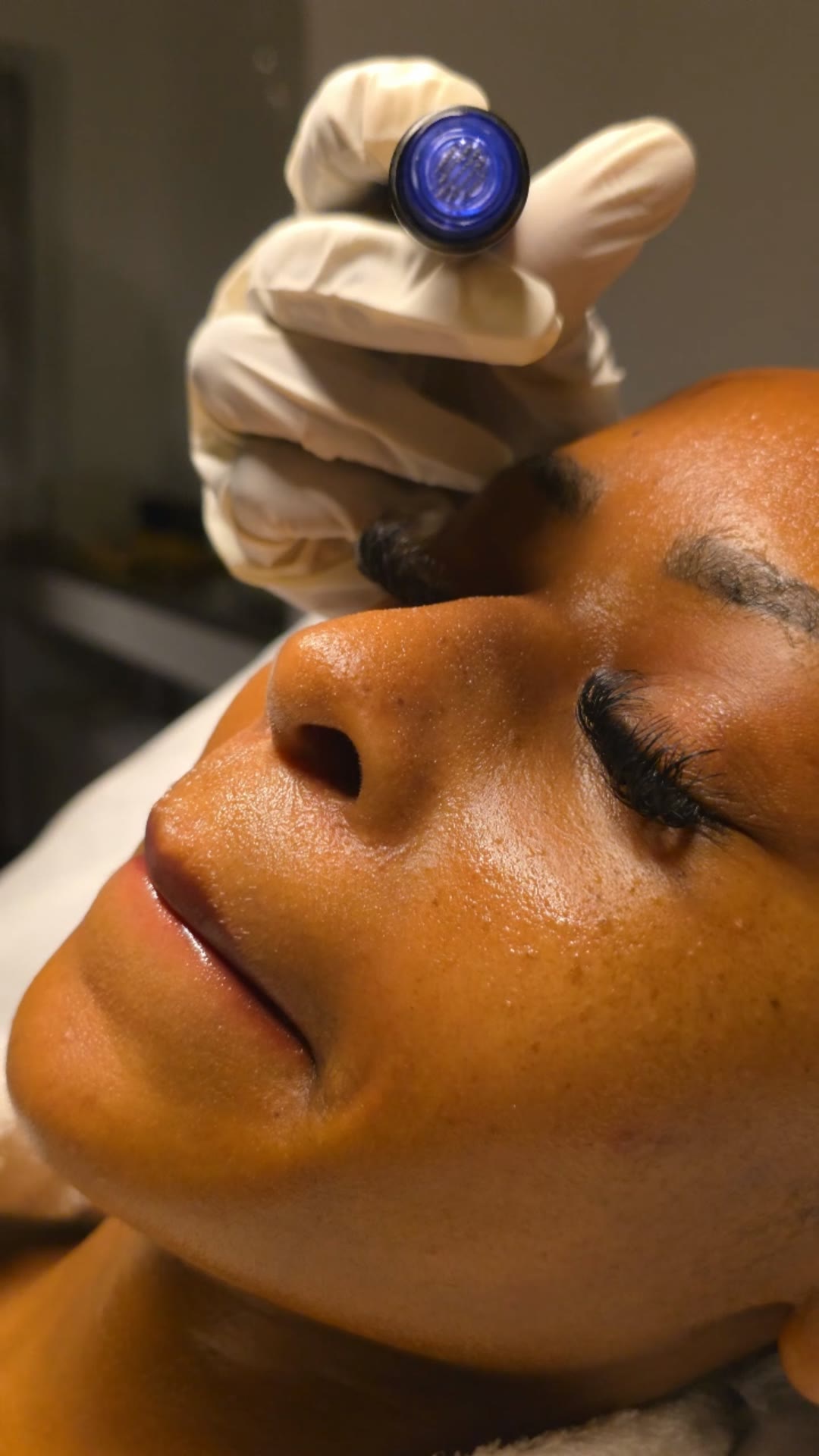
A HydraFacial is a medical-grade facial treatment — sometimes called hydradermabrasion — that uses a specialised device with gentle vortex suction to cleanse, exfoliate, extract impurities from pores and infuse the skin with hydrating serums — all in one session. Unlike many traditional facials, extractions are done by suction rather than squeezing, which is gentler on skin. See HydraFacial at Melton.
Most people notice brighter, more hydrated, smoother-looking skin immediately after treatment. Benefits include deep cleansing, reduced congestion, a more refined skin texture and improved radiance. With regular sessions, it can also support the management of oily, dull or dehydrated skin. It works well as a complement to more intensive treatments.
A standard HydraFacial takes about 30 to 60 minutes, depending on the protocol and any add-ons, such as LED light or targeted boosters.
Many people book a HydraFacial about once a month, which aligns with the skin's natural renewal cycle. Others use it before events or as part of a broader treatment plan. Your clinician can suggest a frequency based on your skin goals.
It can help with congestion, blackheads and oiliness, and many people with mild acne find it beneficial as part of a wider plan. It is not a treatment for active inflammatory or cystic acne on its own — that needs medical treatment first. See acne treatment.
Yes — this is one of its strongest benefits. By removing dead surface cells and flooding the skin with hydration, a HydraFacial typically leaves skin looking brighter and more luminous straight away.
Yes. The suction-based extraction step is designed to clear debris from pores, making it a good option for congestion and blackheads, particularly on the nose and chin. Regular sessions alongside a suitable home routine help keep pores clear.
No. Most people can return to normal activities immediately, and some go straight back to work. Mild redness, if any, usually fades within an hour or two.
Yes — HydraFacial is a popular pre-event treatment because it gives an immediate glow with no downtime. Booking it two to five days before an event is a sensible window, especially if it is your first treatment.
At the time of writing, Melton lists the HydraFacial at KES 7,000 per session. We also offer HydraFacial for the body. Read more in HydraFacial: The Treatment Taking Nairobi by Storm.
11Hair health
Hair Loss & Scalp Concerns
Hair loss is common, distressing and often misunderstood. Thinning at the crown, a receding hairline, sudden shedding and patchy loss all have different causes — and in women of African descent, traction alopecia and scarring types of hair loss are particularly important to recognise early. The right plan always starts with a diagnosis.

Book an assessment if you notice sudden or heavy shedding, patches of hair loss, a widening part or thinning crown, a receding hairline, or scalp symptoms such as itching, scaling, pain or tenderness. Early review is particularly important if the scalp looks shiny or scarred, as some scarring conditions cause permanent loss that can be slowed or stopped with prompt treatment.
Common causes include:
- Androgenetic alopecia — genetic pattern thinning in men and women
- Telogen effluvium — temporary shedding after illness, childbirth, surgery or stress
- Traction alopecia — from tight braids, weaves, wigs or ponytails
- Alopecia areata — an autoimmune condition causing patchy loss
- Scarring alopecias, such as central centrifugal cicatricial alopecia (CCCA)
- Medical factors — thyroid problems, iron deficiency, hormonal changes and some medicines
PRP can help certain types of hair loss, particularly pattern thinning. See the full answer under PRP for Skin & Hair.
A typical plan starts with three to four sessions, about four weeks apart, followed by maintenance sessions every three to six months. Progress is assessed with photographs over time. See PRP hair restoration.
Yes. PRP is commonly used for female-pattern hair thinning and can be combined with other treatments. Because hair loss in women often has more than one contributing factor — such as iron levels, thyroid function, hormones or hairstyling practices — these are assessed first, and blood tests may be recommended.
Yes. PRP is used for male-pattern hair loss, often alongside established treatments. It works best for thinning hair where follicles are still present, rather than for areas that are already completely bald.
Your clinician will discuss your history — when the loss started, family history, hairstyling, diet, stress and health — and examine your scalp and hair, often with magnification. Blood tests may be recommended, and occasionally a scalp biopsy. You will then discuss the likely cause, the options and a realistic timeline. Baseline photographs help track progress.
Depending on the cause, options can include topical or oral minoxidil, other prescription medicines, treatment of underlying deficiencies or medical conditions, anti-inflammatory treatment for scalp conditions, changes to hairstyling practices, microneedling of the scalp and PRP. In advanced cases, referral for hair transplant surgery may be discussed. No treatment can guarantee regrowth, but early, correctly matched treatment gives the best chance.
12Eye area
Eye Bags, Dark Circles & Periorbital Rejuvenation
The under-eye area is delicate and complex. "Dark circles" can be pigment, shadowing from hollowing, visible blood vessels or a combination — and puffiness can come from fluid, allergies or fat. Identifying which you have is the difference between a result that works and one that disappoints.
At a glance
- First step
- Identify the cause
- Options include
- Topicals, peels, PRP, fillers
- Filler longevity
- Often 9–12+ months
- Listed price at Melton
- from KES 12,000
Typical ranges; your plan is confirmed at consultation. Prices as listed on our treatments pages, October 2026.
Dark circles have several causes, and many people have more than one:
- Pigmentation (periorbital hyperpigmentation) — very common in darker skin and often genetic
- Hollowing (tear trough) — volume loss creates a shadow
- Thin skin that shows the blood vessels underneath
- Allergies, eczema and rubbing, which can darken the skin
- Lack of sleep, dehydration and ageing
Eye bags are usually caused by a combination of ageing, genetics, fluid retention and the weakening of the supporting tissues around the eye, which allows the fat beneath it to bulge forward. Salty food, allergies, poor sleep and crying can make puffiness temporarily worse. Persistent, prominent bags are often structural rather than lifestyle-related.
Yes, in most cases they can be improved. Pigment-related circles may respond to topical treatments, gentle peels and sun protection; hollowing can be softened with carefully placed filler; and thin, crepey skin may benefit from PRP or skin-quality treatments. Because causes overlap, combination plans are common. See dark circles treatment.
Mild to moderate bags can often be improved without surgery — for example by using filler to smooth the transition between the bag and the cheek, or by improving skin quality and tightness. However, large or very prominent fat bags may not respond well to non-surgical treatment, and in some cases filler can make puffiness worse. In those situations, an honest clinician will discuss referral for surgical options.
Options include:
- Topical treatments and sun protection for pigmentation
- Gentle chemical peels selected for the delicate eye area
- PRP to improve skin quality and fine lines
- Tear trough filler for hollowing (under-eye filler)
- Anti-wrinkle injections for crow's feet
Under-eye (tear trough) filler can be very effective for hollowing and shadowing, but it is not right for everyone. It tends to suit people with good skin quality and a defined hollow, and is less suitable for those with significant puffiness, fluid retention or very loose skin. Because this is a delicate area, it requires an experienced medical injector and a soft filler. Read Under Eye Fillers.
Under-eye filler often lasts 9 to 12 months or longer, as the area moves relatively little. Skin-quality treatments such as PRP need a course and periodic maintenance, while pigmentation management is ongoing.
It depends on the treatment. At the time of writing, Melton lists anti-aging and dark circles treatment at KES 12,000 and under-eye filler (2ml) at KES 25,000. Your clinician will recommend the most suitable option after assessment.
Treatments at Melton
Explore treatments
A selection of the medical and aesthetic treatments offered at our Ngong Road clinic. Each page explains how the treatment works, who it suits and what to expect.
-
Botox & Microtox
Softens expression lines on the forehead, frown area and around the eyes.
-
Dermal Fillers
Restores volume and refines cheeks, lips, jawline and folds.
-
PRP for Skin
Uses your own platelets to support texture, tone and scar repair.
-
PRP Hair Restoration
Supports thinning hair in suitable pattern hair loss.
-
Microneedling
Collagen renewal for acne scars, pores and fine lines.
-
Chemical Peels
Resurfacing for acne, marks, dullness and uneven tone.
-
HydraFacial
Cleanses, extracts and hydrates with no downtime.
-
Melasma Treatment
A layered, medically guided plan for stubborn pigmentation.
-
Dark Circles
Targeted care for under-eye pigmentation and fine lines.
-
Skin Tags, Moles & Warts
Safe, assessed removal of benign skin growths.
-
HIFU Skin Tightening
Non-surgical ultrasound lifting for skin laxity.
-
Sculptra
Gradual, collagen-stimulating volume restoration.
Prices as listed on our treatment pages in October 2026 and subject to change. Your final plan and cost are confirmed at consultation. View all treatments.
13Your care
Your Consultation & Treatment Journey
Every treatment plan at Melton begins with a conversation. This is where we understand your concerns, check that treatment is appropriate and safe, and agree on a plan that suits your skin, your goals and your life.

For most medical and injectable treatments, yes — it is how we make sure a treatment is right and safe for you. See the fuller answer under General Dermatology Questions.
Your first visit usually includes:
- a discussion of your concerns, goals and expectations
- your medical history, medicines, allergies and previous treatments
- an examination of your skin, hair or face
- an explanation of what is likely causing your concern
- your treatment options, including benefits, risks, downtime and cost
You are never under pressure to book treatment on the day.
Yes. Treatment choice, product, strength, dose and aftercare are all tailored to your skin type, tone, medical history and goals. Two people asking for the same treatment may receive quite different plans.
Allow around 30 to 45 minutes for a first consultation, although this varies with the complexity of your concern. Follow-up reviews are usually shorter. If you are having treatment on the same day, allow additional time.
Your clinician will give specific instructions, but general guidance includes:
- arrive with clean skin, without make-up if possible
- let us know about any medicines, supplements or recent illness
- avoid retinoids and exfoliating acids for a few days before peels or microneedling, if advised
- limit alcohol and blood-thinning supplements before injectables to reduce bruising
- avoid significant sun exposure before resurfacing treatments
- plan treatments well ahead of important events
This depends on the treatment — anything from no visible signs after a HydraFacial to a few days of redness after microneedling or swelling after fillers. You will receive written aftercare advice, and we encourage you to contact the clinic if you have any concerns.
As a general guide:
- None: HydraFacial, most superficial peels
- Minimal (hours): Botox
- Short (1–3 days): microneedling, PRP
- Up to a week: fillers (swelling or bruising), medium-depth peels
Individual responses vary, so build in some flexibility.
Aesthetic treatments are generally safe when performed by trained medical professionals, using genuine products, in an appropriate clinical setting, after a proper assessment. Every treatment carries some risk, which will be explained to you before you consent. Most side effects are mild and temporary. The biggest safety factor is who performs your treatment.
Often, yes — and combination plans frequently give the best results. For example, Botox and fillers are commonly combined, as are microneedling and PRP. Some treatments should be spaced apart, and your clinician will plan the right order and timing.
Not always. Some treatments are not suitable during pregnancy or breastfeeding, with active skin infections, certain autoimmune or neuromuscular conditions, bleeding disorders, a tendency to keloid scarring, or while taking certain medicines. Some aesthetic treatments are also not appropriate for people under 18. This is why a medical history is part of every assessment.
We will explain why and, where possible, suggest a safer alternative, a different timeline, or a referral to another specialist. Sometimes the right recommendation is to treat an underlying skin condition first, or to wait. We would always rather give honest advice than perform a treatment that is not right for you.
Many skin concerns look alike but need different treatments. A professional assessment checks for conditions that could make treatment unsafe or ineffective, identifies the true cause of your concern, and sets realistic expectations. For injectable treatments especially, knowledge of anatomy and the ability to recognise and manage complications are essential. Assessment protects both your health and your result.
Our approach
Why choose Melton?

- 01
Doctor-led care
Treatments are delivered under the care of a licensed medical doctor, with trained dermatology and aesthetic professionals.
- 02
Skin health first
We look at the health of your skin, not only its appearance — treating underlying conditions before cosmetic concerns.
- 03
Personalised plans
Every plan is built around your skin type, tone, medical history, goals and lifestyle.
- 04
Evidence-informed choices
We recommend treatments with a sound clinical rationale, and tell you honestly when something is not right for you.
- 05
Natural-looking results
Our aesthetic philosophy is to refresh and enhance — never to over-treat.
- 06
Education at every step
You will understand your options, risks, downtime and costs before you decide.
Learn more about Melton and our clinical team, or see our treatment gallery.
14Visit us
Melton Dermatology & Aesthetics Clinic in Nairobi
Our clinic is on the ground floor of Marsabit Plaza along Ngong Road — a short journey from Kileleshwa, Lavington, Upper Hill and the city centre. Serving clients in Kilimani, Ngong Road and across Nairobi.
Along Ngong Road, Kilimani
Nairobi, Kenya

Your skin deserves a thoughtful plan.
Whether you're dealing with acne, pigmentation, signs of aging, hair concerns or simply want to improve the health and appearance of your skin, the right place to start is with an individual assessment.
About this guide
- Published by
- Melton Dermatology & Aesthetics Clinic
- Last updated
Medical disclaimer
Information on this page is provided for educational purposes and does not replace an individual medical consultation or diagnosis. Treatment suitability varies between individuals. A qualified clinician should assess your concerns before recommending an appropriate treatment.